News

Introducing the Cultural West Coaster

Visit Wester Ross introduces the Cultural West Coaster in the latest film in the Are You a West Coaster? series, designed to attract visitors who have an affinity with Wester Ross and the people who live here.

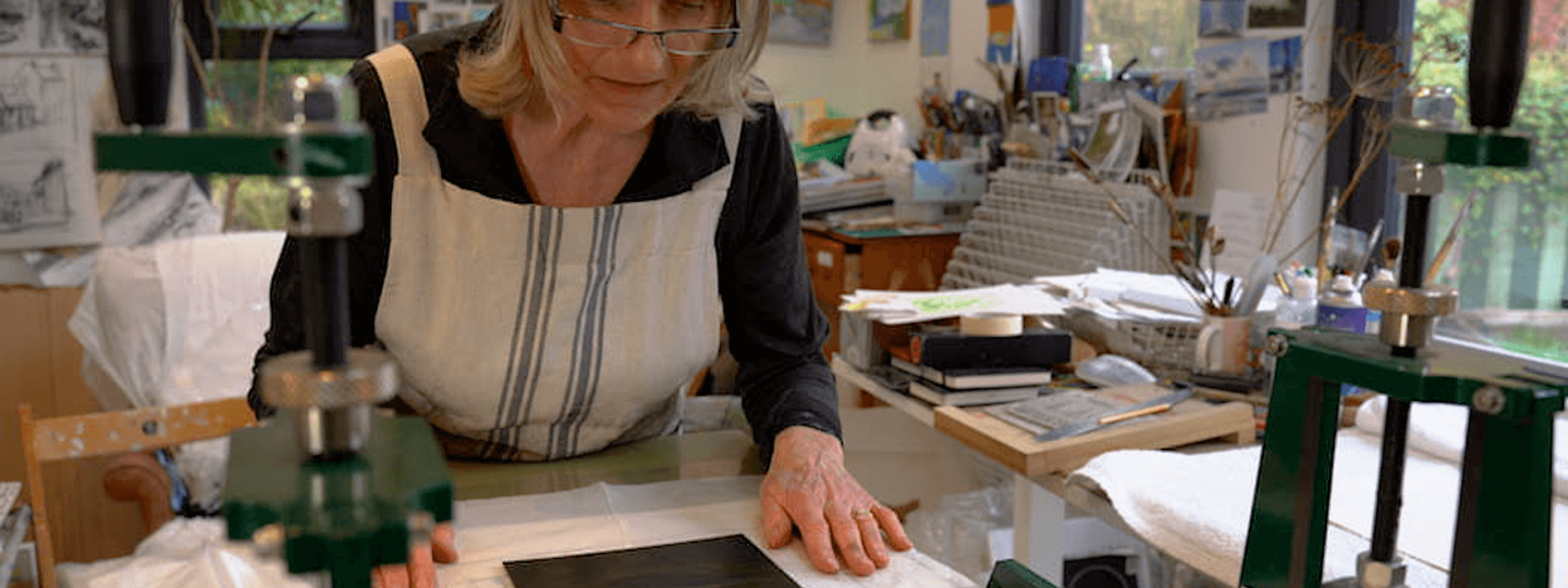
The film features sculptor Greg Dobson and painter Aileen Grant from The Bridge Art Collective, a group of artists from Skye, Lochalsh and Lochcarron who have come together with a shared passion for making art which is thoughtful and deeply felt and rooted in Wester Ross.

The Bridge Art Collective forms links between artists just setting out on their careers and more established artists, as well as forming a bridge between artists and the wider community. The artists, all West Coasters, would like the art they make to contribute to the well-being of their fellow citizens and celebrate the beautiful area of Wester Ross.

Speaking about her involvement in the campaign with Visit Wester Ross, Aileen Grant said: “I am delighted to be part of this campaign. I think there is a uniqueness about art made here, inspired by the stunning Wester Ross landscapes and light which I do my best to capture and share with others.”

Greg Dobson added: “People aren’t just coming to Wester Ross for the scenery, they are coming for the rich traditions of the music, the drama, the film, the people and the artwork as well. I think most people that visit come with a respectful knowledge that people have to continue living here once they’ve left and that’s exactly the visitors we want to welcome to the area.”

Launched earlier this month, Are you a West Coaster? comprises a series of films featuring West Coasters who run businesses in Wester Ross and are looking to develop sustainable tourism in the area, which is also designated a Biosphere by UNESCO.

This campaign is the latest development in the tourism strategy for Wester Ross, supported by national efforts spearheaded by VisitScotland to develop sustainable tourism.

Over the next three weeks, the remaining films will be released featuring West Coasters in their places of work, talking about what it’s like to live in Wester Ross and the impression the area makes on visitors. Viewers are still to be introduced to the Water West Coaster and the Foodie West Coaster, each giving their perspective and asking the question: Are you a West Coaster?

The Cultural West Coaster film can be viewed HERE and the launch film can be viewed here. The full series will be released each Friday over the coming weeks.

Introducing the Nature West Coaster

Visit Wester Ross introduces the Nature West Coaster in the latest film in the Are You a West Coaster? series, designed to attract visitors who have an affinity with Wester Ross and the people who live here.

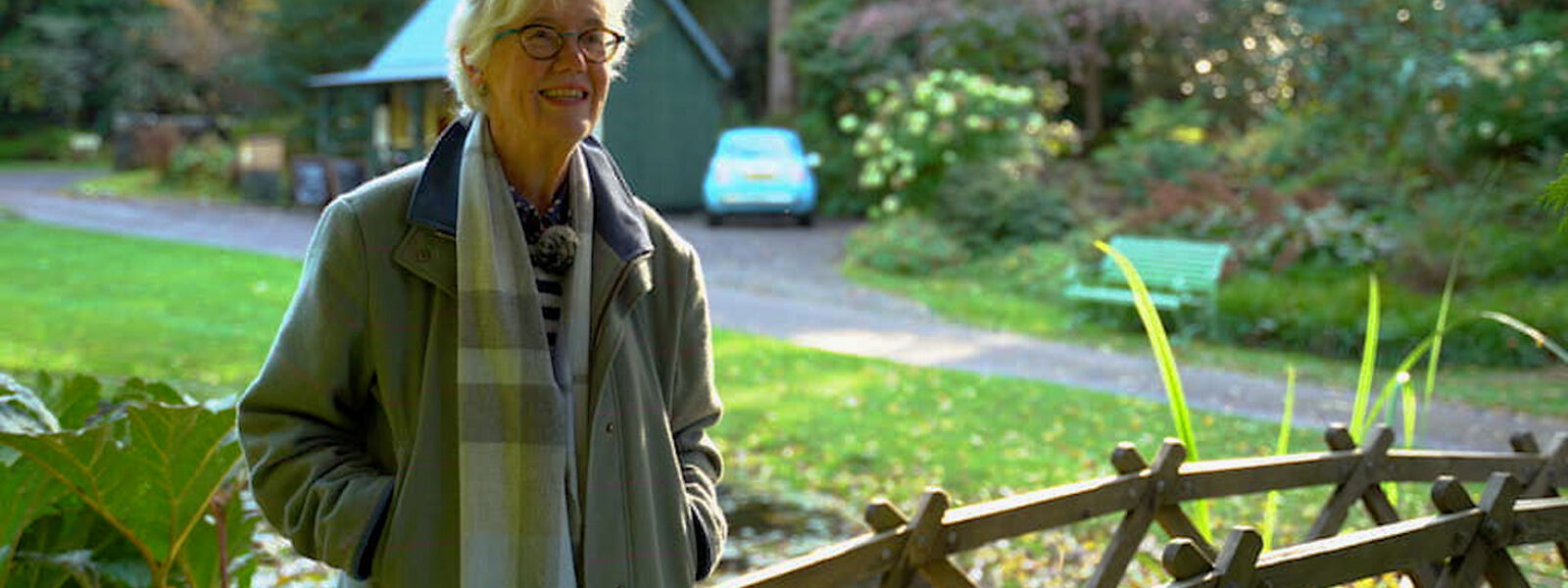
The film features Joanna Macpherson of Attadale Gardens walking through the award-winning gardens at Attadale House in Wester Ross, which was built in 1755.

Joanna is the epitome of a West Coaster that the campaign Are you a West Coaster? is seeking to attract. Joanna Macpherson left her marketing job in London to take over the running of Attadale Estate from her father Ewen. The property has been owned and managed by the Macpherson family since 1952.

Joanna Macpherson of Attadale Gardens

Attadale Gardens has views of Skye and paths to take visitors through water gardens, woodland, sculptures, a herb garden, a sunken garden and even a Japanese garden.

Speaking about Attadale Garden’s involvement in the campaign with Visit Wester Ross, Joanna said: “I am delighted to be part of this campaign. I am passionate about Wester Ross and its people, and I certainly feel that I am a West Coaster. When people come to Wester Ross, they are very impressed, they don’t realise just how magnificent the countryside is until they get here. You can enjoy amazing views and walk for miles, and the whole experience seems to make a big impression on people. I’d love to welcome more visitors to Wester Ross who enjoy its natural beauty as much as I do.”

Launched earlier this month, Are you a West Coaster? comprises a series of films featuring West Coasters who run businesses in Wester Ross and are looking to develop sustainable tourism in the area, which is also designated a Biosphere by UNESCO.

This campaign is the latest development in the tourism strategy for Wester Ross, supported by national efforts spearheaded by VisitScotland to develop sustainable tourism.

Attadale Gardens

Over the next four weeks, the remaining films will be released featuring West Coasters in their places of work, talking about what it’s like to live in Wester Ross and the impression the area makes on visitors. Viewers are still to be introduced to the Water West Coaster, the Cultural West Coaster and the Foodie West Coaster, each giving their perspective and asking the question: Are you a West Coaster?

The Nature West Coaster film can be viewed here and the launch film can be viewed here. The full series will be released each Friday over the coming weeks.

Introducing the Mountaineer West Coaster

Visit Wester Ross introduces the Mountaineer West Coaster in the latest film in the Are You a West Coaster? series, designed to attract visitors who have an affinity with Wester Ross and the people who live here.

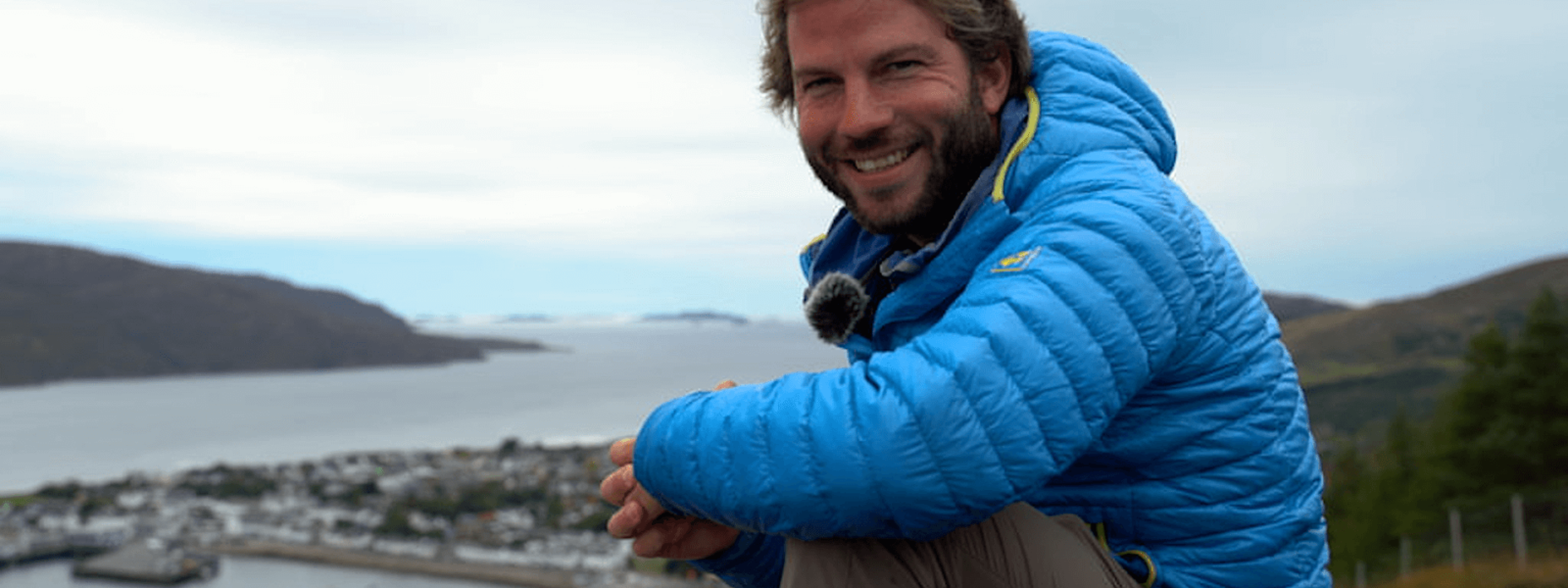
The film features Ben Mueller of McKenzie Mountaineering taking clients on a guided walk in Wester Ross. Ben started McKenzie Mountaineering with his partner Rosie in 2012.

Ben is the epitome of a West Coaster. Formerly working as a bilingual tour guide from Berlin, Germany, he fell in love with Rosie and moved to Scotland. Together, with a shared passion for Scotland, its mountains and its people, they founded McKenzie Mountaineering, initially in Edinburgh.

A qualified mountain guide, Ben holds the Mountain Leader Summer Award as well the International Mountain Leader Award, which qualifies him to lead all over the world, though he spends most of his time welcoming people who have travelled from every corner of the globe to Wester Ross.

Speaking about his involvement in the campaign with Visit Wester Ross, Ben said: “I am delighted to be part of this campaign. I am passionate about Wester Ross and its people, and I certainly feel that I am a West Coaster. The west coast of Scotland and Wester Ross has a unique character that you don’t find anywhere else. It is a fairly small area, but it is massive in the scale of what you can do here. I’d love to see more tourists coming to Wester Ross and staying for longer.”

Launched last week, Are you a West Coaster? comprises a series of films featuring West Coasters who run businesses in Wester Ross and are looking to develop sustainable tourism to the area, which is also designated a Biosphere by UNESCO.

This campaign is the latest development in the tourism strategy for Wester Ross, supported by national efforts spearheaded by VisitScotland to develop sustainable tourism.

Over the course of five weeks, a series of films will be released featuring West Coasters in their places of work, talking about what it’s like to live in Wester Ross and the impression the area makes on visitors. Viewers are still to be introduced to the Nature West Coaster, the Water West Coaster, the Cultural West Coaster and the Foodie West Coaster, each giving their perspective and asking the question: Are you a West Coaster?

The Mountaineer West Coaster film can be viewed here and the launch film can be viewed here. The full series will be released each Friday over the coming weeks.

Are you a West Coaster?

Visit Wester Ross has today launched a campaign designed to attract visitors who have an affinity with Wester Ross and the people who live here.

Are you a West Coaster? comprises a series of films featuring West Coasters who run businesses in Wester Ross and are looking to develop sustainable tourism in the area, which is also designated a Biosphere by UNESCO.

Douglas Gibson, Co-ordinator at Visit Wester Ross, explains what it means to be a West Coaster: “People living in Wester Ross share the same mindset. We are passionate about where we live, we treat our stunning natural environment and each other with respect and we are proud to welcome visitors from all over the world and share our home. But a key difference is that we take ‘Highland time’ – this landscape and our culture has developed over a long period of time and is not something that needs to be rushed.

“We think there are fellow West Coasters all over the UK and indeed the world. People who want something different, people who want an authentic experience in a place where people, place and land are inextricably linked, people who want to stay and spend quality time, not just pass through for a selfie. So, we are asking people to identify as a West Coaster and come and spend some quality, Highland time with us.”

Over the course of the next six weeks, a series of films will be released featuring West Coasters in their places of work, talking about what it’s like to live in Wester Ross and the impression the area makes on visitors. Viewers will be introduced to the Mountaineer West Coaster, the Nature West Coaster, the Water West Coaster, the Cultural West Coaster and the Foodie West Coaster, each giving their perspective and asking the question: Are you a West Coaster?

This campaign is the latest development in the tourism strategy for Wester Ross, supported by national efforts spearheaded by VisitScotland to develop sustainable tourism. Natasha Hutchison, General Manager of the Wester Ross UNESCO Biosphere, is proud that Wester Ross has been included in the world’s first UNESCO trail which was launched by VisitScotland last year.

Natasha highlights the significance of the UNESCO Biosphere designation for Wester Ross: “UNESCO Biospheres are often located in breath-taking landscapes and Wester Ross is no exception. This makes them wonderful places to visit. But living in a UNESCO Biosphere is about actively working towards a sustainable future and finding that delicate balance between development and conservation to ensure the wellbeing of our people and place for generations to come. We hope that this campaign strikes a chord with people and encourages visitors who are as passionate about Wester Ross as we are.”

The campaign film can be viewed here and the full series will be released every Friday on our social media platforms.

Corrieshalloch Gorge – Gateway to Nature

PLANS for a new £2.3 million Wester Ross visitor centre at a major natural visitor attraction have been revealed.

Conservation charity the National Trust for Scotland says its plans for a world-class visitor facility at Corrieshalloch Gorge National Nature Reserve will go ahead thanks to £923,277 funding from the Natural and Cultural Heritage Fund.

The project will pave the way for the charity, responsible for protecting Scotland’s national and natural treasures, to build a new visitor centre and toilet facilities. It says it will improve parking at the beauty spot and expand the path network with improved wayfinding and interpretation.

The remaining funding for the project comes from the charity’s own reserves.

The charity’s general manager for the North West, Clea Warner, said: “Thanks to this fantastic funding, our charity can continue to invest in the Wester Ross area.These new facilities will be the gateway to the rich natural heritage of the gorge and the Falls of Measach, one of the most spectacular waterfalls in the UK and will make a major contribution to the local area, vastly improving the welcome we can offer the increasing number of visitors who are heading north.”

Corrieshalloch Gorge has seen a 60 per cent increase in visitor numbers since 2012, with almost 140,000 visitors in 2017/8.

Ms Warner added: “As a national nature reserve, Corrieshalloch Gorge requires intensive protection. These new facilities will help us to accommodate the growing number of visitors, while ensuring the site gets the important conservation care that a place of such importance needs.”

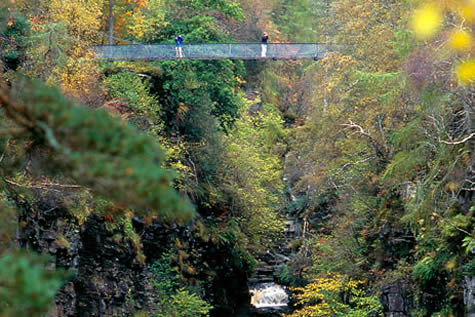
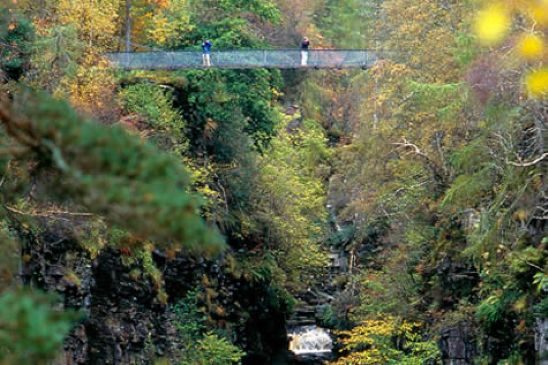
corrieshalloch-gorge-bridge-4133226
Corrieshalloch Gorge

Francesca Osowska, Scottish Natural Heritage’s chief executive, added: “A key priority for SNH is to help ensure tourism and other sectors benefit from, and invest in, Scotland’s high quality environment. Nature and culture are closely linked in the Highlands Islands, and in many places they are central to the local economy, maintaining rural populations, jobs and skills. This project will bring significant benefits to the local area for years to come, and give visitors even more to enjoy in these iconic areas of Scotland.”

The Corrieshalloch Gorge Gateway to Nature project is part of a new £5 million Scottish programme of projects to invest in the Highlands and islands to provide more and better quality opportunities for visitors to enjoy natural and cultural heritage assets. The Natural and Cultural Heritage Fund is led by Scottish Natural Heritage and is part funded through the European Development Fund.

The Natural and Cultural Heritage Fund will encourage people to visit some of the more remote and rural areas and create and sustain jobs, businesses and services in local communities. The purpose of the fund is to promote and develop the outstanding natural and cultural heritage of the Highlands and islands in a way that conserves and protects them.

Hebridean Whale Trail

PRESTIGIOUS AWARD NOMINATION FOR West Coast trail

Conservation charity the Hebridean Whale and Dolphin Trust is celebrating after its newly launched Hebridean Whale Trail was a finalist in a major award announced at a glittering event in London on 4 December.

The spectacular trail was a finalist in the New National Treasure (UK) category – alongside London’s Alexandra Palace Theatre and eventual winners the National Maritime Museum – of the National Geographic Traveller Reader Awards 2019.

The Hebridean Whale Trail is the first of its kind in the UK. It connects 33 top places across the Hebridean archipelago and Scotland’s west coast that offer opportunities for land-based sightings of whales, dolphins and porpoises, or showcase the region’s whale heritage.

We’re thrilled to have been a finalist for this prestigious award, and hope this success will further promote the Hebridean Whale Trail, which has really caught people’s imagination since its launch in June,

By promoting low-impact marine wildlife watching from land, the trail is championing the importance of protecting the Hebrides’ wonderful and globally important marine wildlife.Collaboration was key in forging the trail, and its success is testament to the people and communities who have come together to create this exciting initiative.

Alison Lomax, Director of the Hebridean Whale and Dolphin Trust

Scotland’s west coast is dotted with stunning places to quietly watch out for whales, dolphins, porpoises – together known as cetaceans – and other wildlife, including basking sharks. The trail links sites ranging from easily accessible attractions to remote and wild destinations, and features opportunities for visitors and residents to get involved in marine conservation. Its website www.whaletrail.org includes routes, transport options and site details.

While sightings can never be guaranteed, the Hebridean seas are exceptionally rich in wildlife. More than a quarter of the world’s whale and dolphin species have been recorded in the region, including many conservation priority species. The award comes as Visit Scotland prepares for the Year of Coasts and Waters 2020 – a year-long programme of events and activities spotlighting Scotland’s coasts and waters.

Being a finalist for this accolade, just under six months since the experience was launched, is testament to this clever initiative by the Hebridean Whale and Dolphin Trust and the energy and enthusiasm that has gone into making it a success.

People who have followed the trail and visited the region obviously love what they have experienced. Stunning scenery, rich natural beauty and marine wildlife, a vibrant culture and a warm welcome are just some of the reasons that visitors from all across the world are drawn to the Hebrides

David Adams McGilp, VisitScotland Regional Director

The Hebridean Whale and Dolphin Trust is based on the Isle of Mull and has been taking action for the conservation of cetaceans off western Scotland for over two decades.

Gairloch Museum OPEN

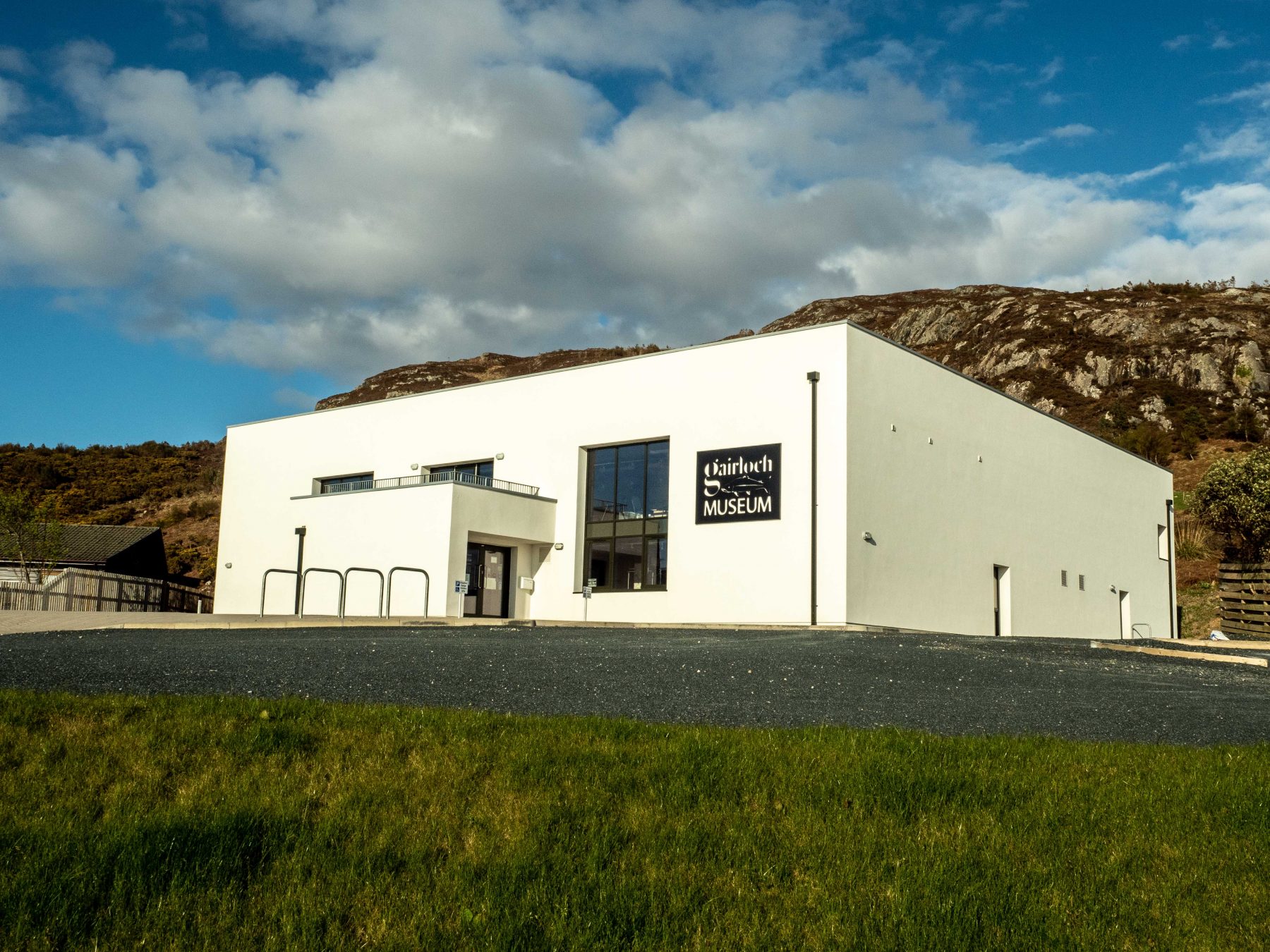
 The new Gairloch Museum is now open for business! 

Much loved objects from the previous home will be a part of the new exhibits alongside objects that have not been displayed before. These include:

The Poolewe Hoard, returning to Gairloch from Edinburgh after 120 years.

One of the quarantine signs from the once deadly Anthrax Island.

The Midgeater, a device made to combat the Highland midge.

The Royal Charter bestowing the lands of Gairloch on the Mackenzies.

And much more…

gairloch-museum

With a new library, archive, gift shop and café, the relocated Museum is an exciting research and social hub for both tourists and the local community. An entertaining selection of events, temporary exhibitions, heritage trails, new interactive displays and children’s trails will also be available for visitors to enjoy. New accessible artefact store will provide ‘behind-the-scenes’ experiences for visitors to learn more about objects in our collection.

There is something for everyone, with visitors being able to experience 7,000 years of local history, from evidence of Gairloch’s earliest settlers to the twentieth century engineering marvels of the Rubh Re lighthouse lens.

Hebridean Whale Trail

30-plus site initiative aims to promote sustainable, low-impact marine wildlife watching from land, and benefit local communities

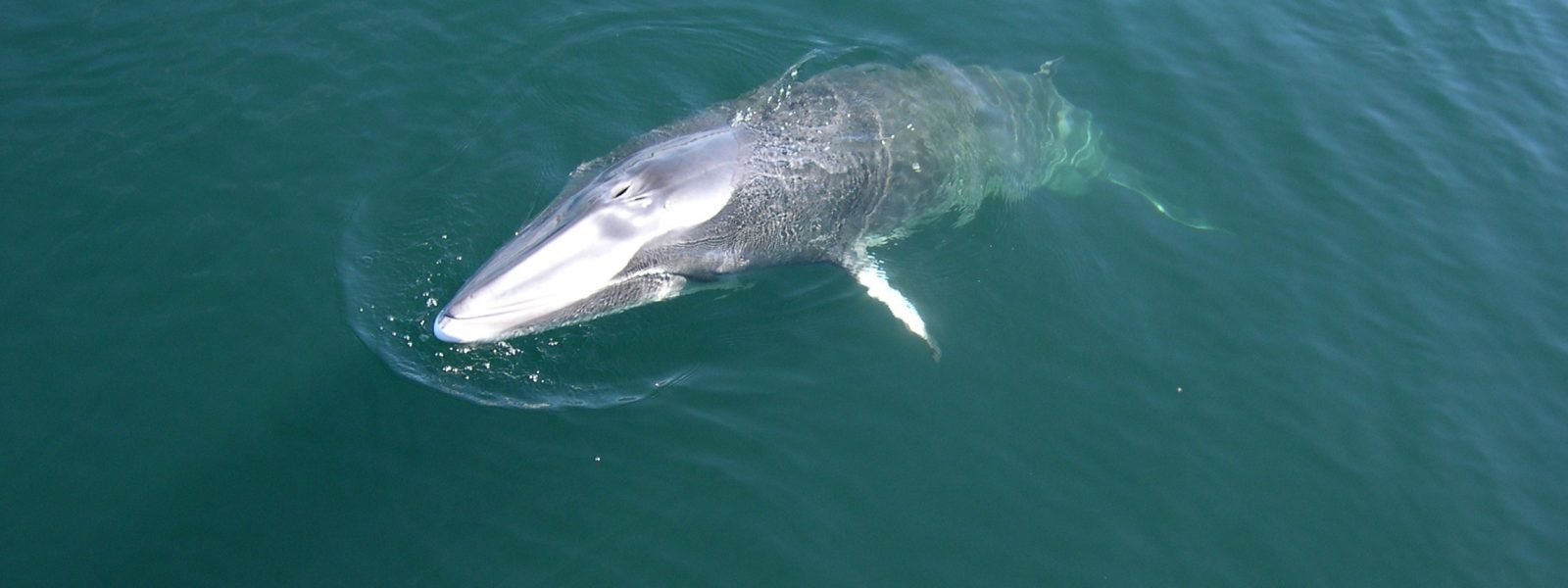
A spectacular new trail – launched today (28 June 2019) by the Hebridean Whale and Dolphin Trust – is to showcase Scotland’s west coast as a world-class destination for spotting whales, dolphins and porpoises from land, and champion conservation of the Hebrides’ globally important marine wildlife and environment.

The Hebridean Whale Trail, the first of its kind in the UK, is a unique initiative connecting more than 30 top places offering opportunities for land-based sightings of whales, dolphins and porpoises, or showcasing important whale heritage sites that reveal the history of people’s relationships with whales in these communities.

Basking sharks, seals and other wildlife may also be seen from the trail, which features 33 sites across the Hebridean archipelago and along Scotland’s stunning west coast, from the Clyde to Cape Wrath, and as far west as St Kilda.These include lighthouses atthe Butt of Lewis on the Isle of Lewis, Eilean Glas on the Isle of Scalpay, and the UK mainland’s most westerly point at Ardnamurchan Lighthouse.

Beaches include Clachtoll in the Highlands, and Huisinis on the Isle of Harris. Bustling harbours include Tobermory on the Isle of Mull, and Ullapool. The trail ranges from easily accessible attractions such as the Hebridean Whale Trail Centre in Tobermory, to remote and wild destinations such as the Oa on Islay.“Scotland’s west coast is one of Europe’s best places to catch sight of whales, dolphins and porpoises from land – and you may see bottlenose and common dolphins, harbour porpoise, minke whales and killer whales,” said Karl Stevens, Hebridean Whale Trail Manager.

“We want people from all walks of life to visit the Hebridean Whale Trail to enjoy exploring the region’s unique nature, culture and history, and to be inspired to support marine conservation.”

The “Whale Trail” map can be downloaded here!

The aims are also to boost the local economy and support communities through sustainable eco-tourism, provide educational opportunities, and improve connections between coastal areas.David Adams McGilp, VisitScotland Regional Director, said: “Scotland’s Hebrides offer captivating views, endless beaches, ancient history, the finest fresh food and of course, wonderful wildlife. The Hebridean Whale Trail is a clever initiative, which presents visitors with an unrivalled opportunity to explore the best of Scotland’s marine wildlife and seascapes.
“The launch of this new trail is particularly apt as we prepare for the Year of Coasts and Waters 2020 – a year-long programme of events and activities which will shine a spotlight on Scotland’s coasts and waters. It’s particularly pleasing that the trail is a conservation-based tourism product, as a key focus of the themed year will be celebrating and protecting Scotland’s beautiful natural environment.”

The Hebridean Whale and Dolphin Trust has spent a year developing the trail, identifying sites with communities, site owners, conservation organisations, schools, and businesses.The trail’s website www.whaletrail.org includes routes, transport options and site details. On-site interpretation at key locations will explain which species of cetaceans – he collective name for whales, dolphins and porpoises – might be seen.

Across the trail there will be many opportunities for visitors and residents to get involved in marine conservation activities – including joining volunteers to watch, identify and record marine wildlife from land or the ferries which connect the sites, as well as discovering more about Scotland’s seas from experts at a range of visitor centres.

“The trail encourages accessible, low-impact whale-watching from land, which for many is a completely new way of thinking about viewing marine wildlife. Scotland’s west coast is dotted with stunning places where you can quietly watch whales, dolphins, and other wildlife going about their business, from a clifftop or harbour,” said Alison Lomax, Directorof the Hebridean Whale and Dolphin Trust.

“Ultimately we want people to experience the thrill of watching a fin breaking the surface in the distance, and the challenge of identifying which type of whale they’ve seen, sharing that experience with others, and learning about the threats these animals face in our seas.”

While sightings of cetaceans can never be guaranteed, the Hebridean seas are exceptionally rich in wildlife. More than a quarter of the world’s whale and dolphin species have been recorded in the region – including many national and international conservation priority species.

The Hebridean Whale and Dolphin Trust is based on the Isle of Mull and has been taking action for the conservation of cetaceans off western Scotland for over two decades.The Hebridean Whale Trail has been made possible by a grant of almost £200,000 by the UK Government-funded Coastal Communities Fund, which is delivered by The National Lottery Community Fund. 

Lighting up Ullapool

We’re asking for your support for

‘LIGHT UP ULLAPOOL’ in an online vote.

Anybody who has visited Ullapool in recent winters wil have (probably) seen the "Creel Tree" lit up! So….Ullapool Winter Lights have been chosen as one of only fifty-six UK National finalists for possible People’s Project funding. One of only five finalists in the STV North transmission area, and the only one from the Highlands, winning this could be transformational for their local creative volunteer group.

The National Lottery have just announced the projects. The five finalists have now made a short film which can be viewed on the website after 1 April – www.thepeoplesprojects.org.uk.

Voting is open until 12 noon Monday 15th April. Anybody in UK can vote online at the website or by SMS. All you need to vote is a UK postcode or UK mobile phone number. It’s one vote per person – details on the website

Facebook: https://www.facebook.com/UllapoolFireAndLight/ 

Twitter: https://twitter.com/ullapool_lights 
Instagram: https://www.instagram.com/ullapool_lights/ 
YouTube: https://www.youtube.com/c…/UCEGXqTvB0V7zZXCJXxml1hw/featured

Ullapool Winter Lights are up against large towns and cities across the East Coast with far bigger populations than they have. We’re hoping that this small community can stand tall and shout and for this we need help.

Winning this award would make such a difference to Ullapool Winter Lights securing the project for future years, bringing lights to more of the village. and in turn aim to create a weekend ‘Winter Festival’ to celebrate the lights switch on.


Gairloch Museum

Towards the Finishing line: Visitors to Gairloch and Wester Ross in 2019 will be witness to the impressive new Gairloch Museum, scheduled to open in June.

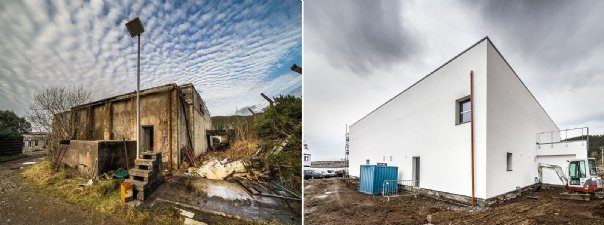
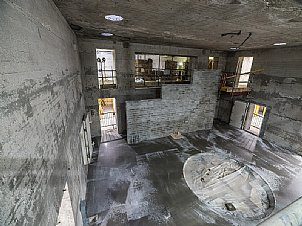
The Museum will be housed in a new location, based in one of Gairloch’s better kept secrets from the Cold War. This is a huge, square monolith that until recently housed the Highland Council roads depot, and locally as the ‘Old Radar Station’. In actual fact, this is a blast-proof structure that was built in the early 1950s Cold War period as an A.A.O.R. (Anti-Aircraft Operations Room). The new project proposal therefore provides a viable heritage and community use for the redundant building, and will also be home to West Highland College – part of the University of the Highlands and Islands.

18-19-pano-6452506

                                   Rear of building – February 2018          Same view – February 2019

So, what’s the background story to this?

Since 1977 the Gairloch Heritage Museum has been a successful, award-winning tourist attraction, with full ACE accreditation and a Visit Scotland 4* rating.

The proposed transformation has avoided costly and environmentally damaging demolition of the building, and will enable the Museum to provide more Gaelic language and literature studies; traditional skills workshops and training; educational visits; archaeological and genealogical research; and heritage activities. It can also expand its permanent and temporary exhibitions, as the previous building did not have the capacity to meet these increasing demands. The museum will also be able to grow its collection in the modern artefact and archive stores the new building will house.

   interior-sm-4618910       museum-move-3953714

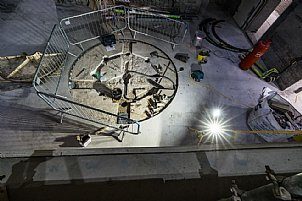
The interior, and working on the installation of the Lighthouse display

The project has come together with valuable assistance from two Scottish Government funding sources – the Regeneration Capital Grant Fund, and the Vacant and Derelict Land Fund – and also successfully sourced a major grant from the Heritage Lottery fund, and LEADER. Many other funders – over 30 in total – contributed smaller amounts to the project. And the Gairloch community raised an amazing £200,000 towards the cost over a three year period, thanks to numerous local fundraising events and donations from individuals and businesses.

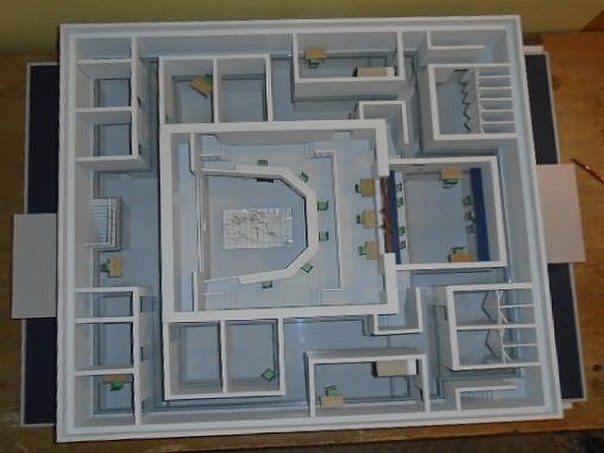
museum-removal-3-2866503The new layout (entrance on left of photo)  

The Museum Curator, Karen Buchanan, has driven the project forwards over the last few years with the help of the Museum committee. Museum volunteers will help decant the collection into its new home this spring and are very much looking forward to moving in to their new home. There will be a special programme of activities in the week commencing 8th July to celebrate the official opening of the new building.